
Did you know you can transfer INKJET printed images onto wood? Yes . . . this inkjet photo transfer to wood is easy with Mod Podge and regular school glue.
Skills Required: Intermediate Beginner. You should have prior crafting experience before attempting this craft; preferably with Mod Podge. It’s not necessarily hard, but it can get tricky so it’s best if you have experience with the materials.
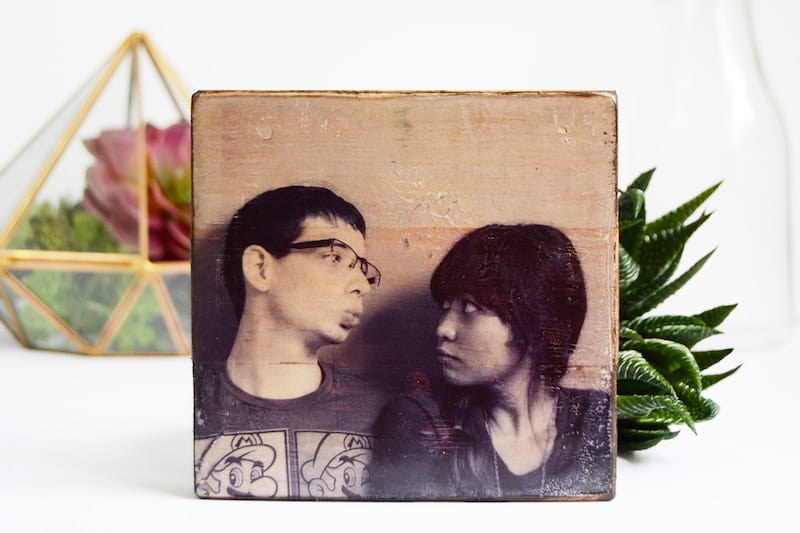
Yep, you heard right! You can do an inkjet photo transfer to wood with just Mod Podge. I love transferring images to wood – they make these personalized rustic little pieces that are perfect to just sprinkle around the house or to give as a small personalized gift.
You don’t need a laser printer or photo transfer medium for this tutorial. It’s different from the Mod Podge photo transfer medium in that it gives your image a clear background.
You might be wondering how the image goes from the inkjet printer/whatever you print out, and onto the wood. It’s magic! It’s actually not magic though.
The basic process is that you will print an image onto a stencil sheet (not photo paper) that has dried glue on top. You will apply Mod Podge to wood, then place the photo/stencil sheet face down into the Podge. 24 hours later, you’ll peel the stencil sheet from the wood and the photo will be left behind!
And this is how you transfer inkjet images to wood using Mod Podge.
Mod Podge Formula to Use
There are several Mod Podge formulas you can use – I recommend sticking with the basic formulas of Gloss, Matte, or Satin. It really doesn’t matter which, it’s all about the finish you like.
Stay away from the Outdoor and Fabric formulas, or any Mod Podge that’s a bit thicker. You want regular consistency medium for this project.
In addition, don’t get confused by the photo transfer formula. It’s not the same thing as regular Mod Podge at all. The transfer medium uses laserjet images and can’t be used decoupage.
Are you interested to see how I did this craft? I know you’ll use this technique for transferring photos all the time after I teach you. So read on!
Gather These Supplies
- Plastic stencil sheet
- PVA Glue (normal school glue)
- Mod Podge Matte or Gloss
- Sponge brush
- Ink Jet Printer
- Wood block
- Wood stain
- Sandpaper
This project does take time, but it gives fantastic image transfer results without the hassle of wetting the image and rubbing the paper off. The stencil sheet can also be used again!
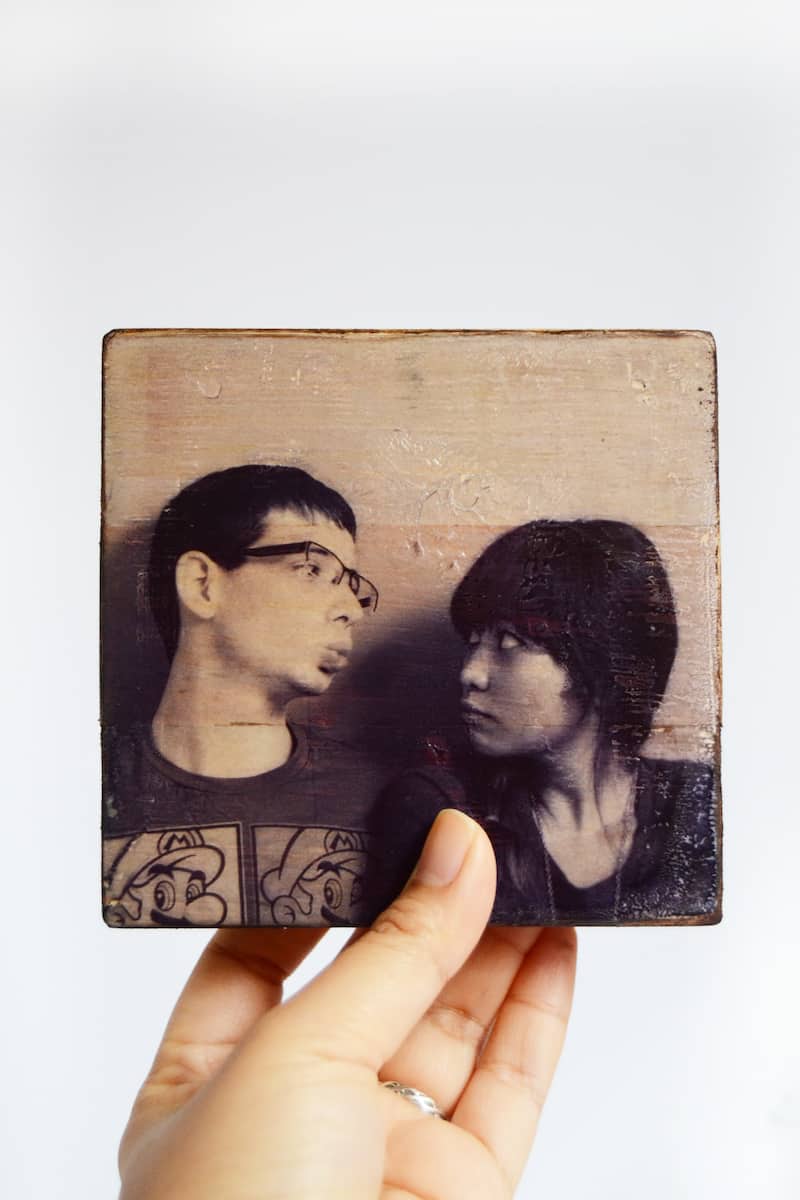
What image would you transfer? Have fun crafting and don’t forget to follow me on social media or my blog for more ideas, freebies and tutorials!

Mod Podge Photo Transfer with Inkjet
Equipment
- Printer and paper
- Sandpaper
Materials
- Plastic stencil sheet
- PVA glue normal school glue
- Mod Podge Matte or Gloss
- Wood block(s)
- Wood stain
Video
Instructions
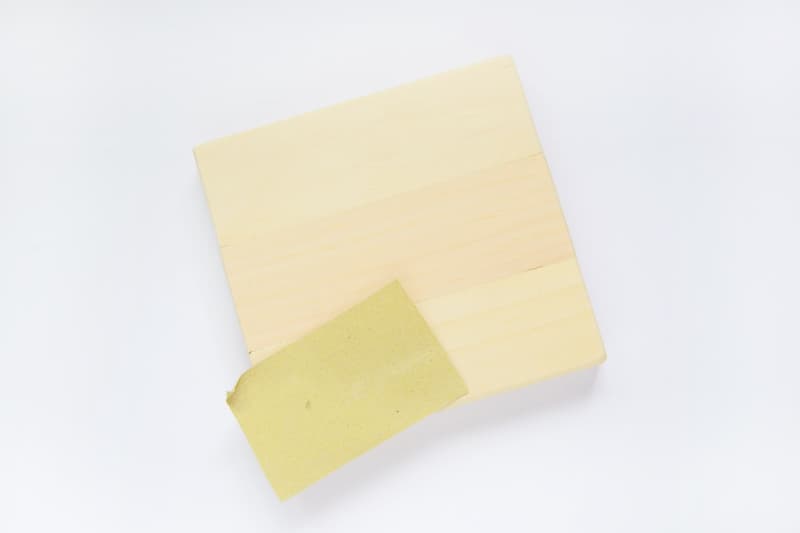
- Sand the wood block – you want the surface to be as smooth as possible for better image transfer. Wipe away any dust with a tack cloth or wet cloth.
- Paint two thin layers of glue onto the shiny side of the stencil sheet. You can use transparency films as well, if that is what you have on hand.
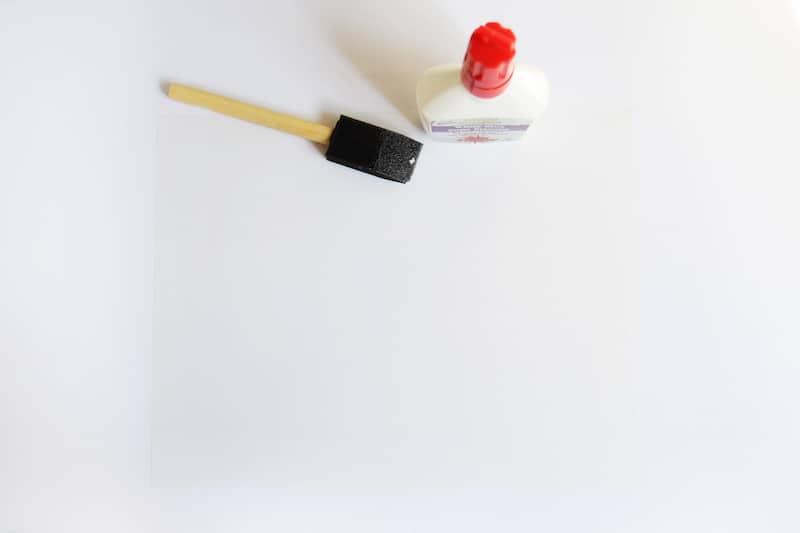
- Once fully dry, print the image onto the glue covered stencil sheet with the printer. Allow the printed image to FULLY DRY before proceeding to the next step.
- Paint a layer of Mod Podge onto the wood block and carefully lay the image on top. Using the stencil sheet will allow you to align it much easier with the wood edges. Smooth slightly with your hands.
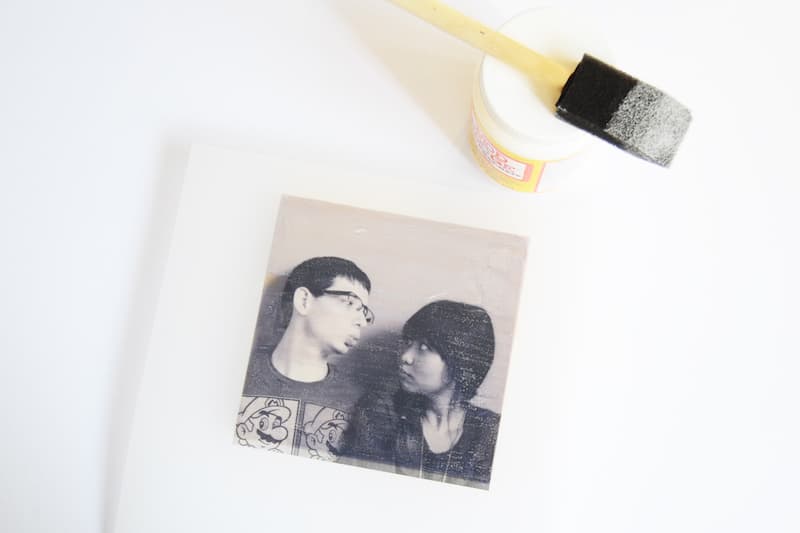
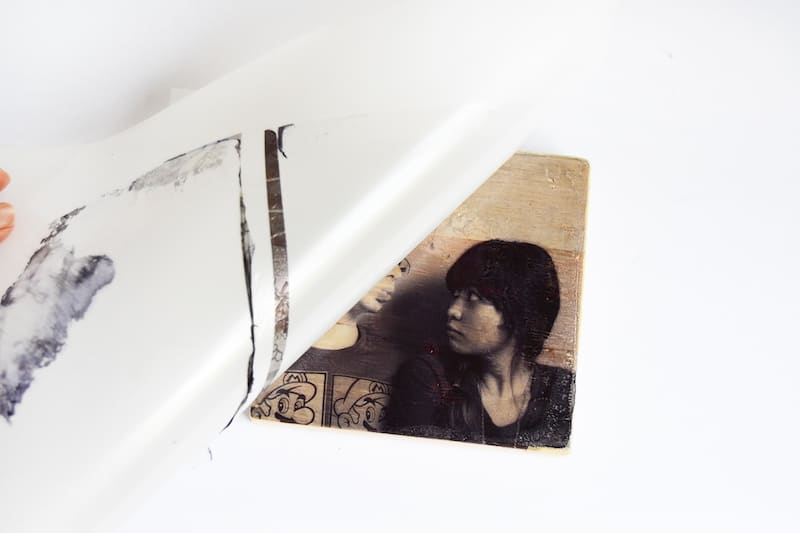
- Wait until the Mod Podge is dry on the inkjet transfer to wood (I let mine dry overnight – 24 hours is recommended). Lightly run the tip of a craft knife onto the sides of the wood before peeling to separate the image from the rest of the glue that dried. Peel carefully, again making sure the image is fully dry or it won’t transfer perfectly.
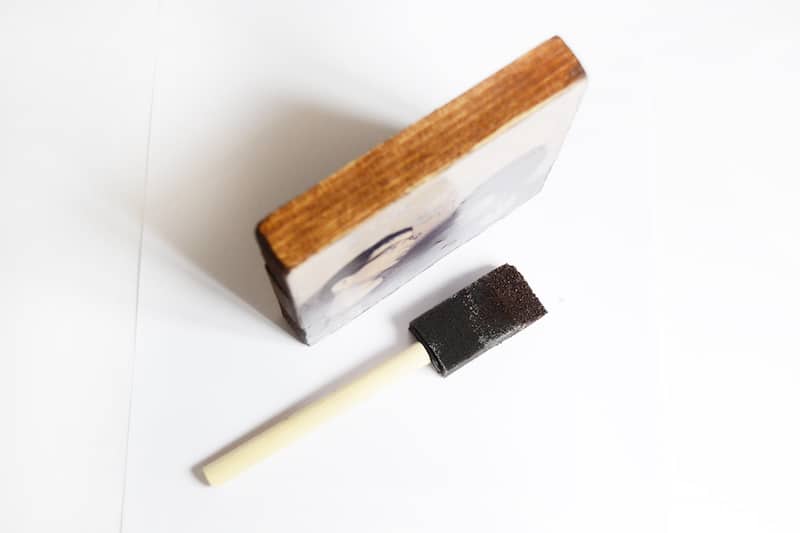
- Stain the sides and the back of the wood block and let that dry to finish.
Notes
This was inspired by another inkjet photo transfer we spotted at Photojojo! If you enjoyed this craft idea, let me know in the comments! Plus check out these other photo ideas here:
Breakfast in Bed Tray • Family Reunion Centerpiece • How to Transfer Photos to Wood • Modern Photo Blocks • Photo Keychain • Transfer Paper to Fabric • Transfer Photos to Fabric • Transfer to Canvas • Transfer to Furniture • Transfer to Glass • Transfer to Metal • Wooden Photo Blocks




love this project
Great stuff for transfers. I tried so many times with my Inkjet printer, then finally found modge podge
Great Idea – this would be perfect for the kids to make a Father’s Day gift
I always thought you had to use a laser printer so never tried this technique as only have an inkjet. Thank you for showing this, definitely going to try it.
Nice video with easy instructions. Not a big fan of the text colors (partial colors) it’s a bit over done.
Great for modeling!
Is Elmers regular school glue? I am 68 and the regular school glue I had in school was a small brown glass bottle with a dark dark red slanted rubber tip on it and the glue clear. I know showing my age. Another question, do you absolutely have to use laser printer? I practiced with inkjet printer and it seemed to work okay.
Hi Jennifer! The brown glass bottle was usually rubber cement but I’m not sure? Regular school glue would work too. And for this particular tutorial, you do use inkjet!
@Amy, I’m the same age as Jennifer and the glue she remembers was definitely a paper glue, not rubber cement. My Mom told me it was made out of horse’s hoofs.
@Joan M., wow I’ve not seen that! But I believe you, it just might have been before my time 🙂
@Joan M., the stuff in the brown bottles was mucilage and was used to glue paper. According to Wikipedia, it was made from plants. You’re right, though. We were always told that old horses were sent to the Glue Factory.
Can I use glue spray on the stencil or is it better to use children’s glue?
We’ve never tried with glue spray. You’d have to do a test!
I have a question about printing the photo onto the stencil sheet. Does the stencil sheet go easily through your printer with dried glue on it? I’m worried about it getting caught and jamming.
Hi Marcie! I think you are definitely taking a risk putting paper painted with glue into any machine, but . . . I’ve never seen it “not” work. The glue just has to be dry enough and it won’t clog up or ruin your machine.
Can this be transferred onto metal surfaces?
Hi Cynthia! It’s not going to transfer well onto a smooth surface with a coating – so if the metal has a coating, it won’t work.